10 Best Japanese Knives 2026 in the United States
Winner
MITSUMOTO SAKARI Japanese Chef's Knife Set 4 Pcs, Professional Hand Forged Kitchen Chef Knife Set, High Carbon Ultra Sharp Cooking Chefs Knife Set (Rosewood Handle & Sandalwood Box)
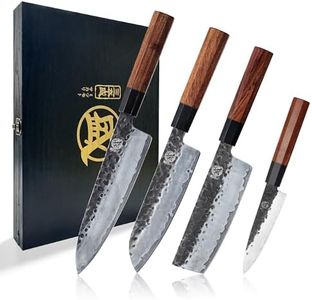
The MITSUMOTO SAKARI Japanese Chef's Knife Set offers a carefully handcrafted experience with its traditional Japanese forging method, which is a real plus for those who appreciate quality craftsmanship. The blades are made from high-carbon 9CR18MOV steel with a hardness rating around 58 HRC, meaning they should be sharp and durable, holding their edge well during regular kitchen tasks. The 8-inch blade length is versatile, handling everything from slicing vegetables to cutting meat comfortably. The ultra-thin 2.5mm blade allows for precise cuts, helping maintain the freshness and texture of food.
Most important from
197 reviews
Miyabi Birchwood SG2 Japanese Chef's Knife, 8-inch, Chef's Kitchen Knife, Karelian Birch Handle, 100-layer flower Damascus pattern, Handcrafted in Seki, Japan

The Miyabi Birchwood SG2 Japanese Chef's Knife is a high-quality kitchen tool designed for those who appreciate sharpness and craftsmanship. Its 8-inch blade is made from SG2 micro carbide powder steel, a premium high carbon stainless steel known for holding a sharp edge longer than many other blades. The knife features a beautiful 100-layer Damascus pattern, which not only adds aesthetic appeal but also hints at its layered forged construction, enhancing durability. The blade edge is sharpened by a traditional Honbazuke process to a very fine 9.5 to 12 degree angle, making it sharper and more precise than many Western knives, resulting in smoother and more effortless cutting.
Most important from
570 reviews
Matsato Chef Knife - Perfect Kitchen Knive for Cooking, Chopping. Japanese Steel Knife for Home, BBQ. For Balance & Control, 6.3 Inch
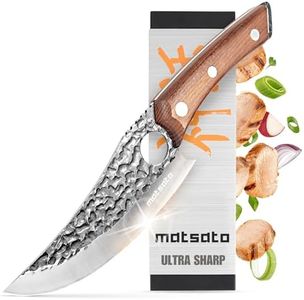
The Matsato Chef Knife stands out as a versatile and well-crafted tool suitable for both home cooks and professional chefs. Its blade is made of high-quality stainless steel, which promises durability and sharpness, reducing the likelihood of dulling or chipping over time. The blade length of 6.2 inches makes it a practical choice for various kitchen tasks, from chopping vegetables to slicing meats.
Most important from
8568 reviews
Top 10 Best Japanese Knives 2026 in the United States
Winner
MITSUMOTO SAKARI Japanese Chef's Knife Set 4 Pcs, Professional Hand Forged Kitchen Chef Knife Set, High Carbon Ultra Sharp Cooking Chefs Knife Set (Rosewood Handle & Sandalwood Box)


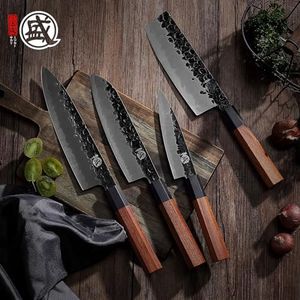
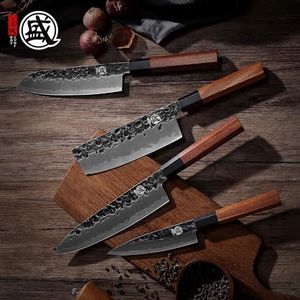
MITSUMOTO SAKARI Japanese Chef's Knife Set 4 Pcs, Professional Hand Forged Kitchen Chef Knife Set, High Carbon Ultra Sharp Cooking Chefs Knife Set (Rosewood Handle & Sandalwood Box)
Chosen by 1118 this week
Miyabi Birchwood SG2 Japanese Chef's Knife, 8-inch, Chef's Kitchen Knife, Karelian Birch Handle, 100-layer flower Damascus pattern, Handcrafted in Seki, Japan
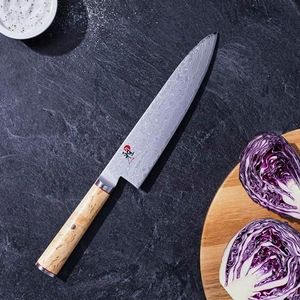
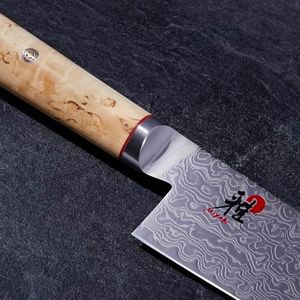

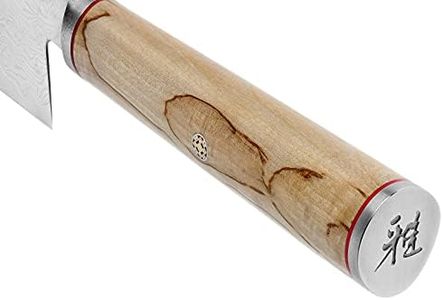
Miyabi Birchwood SG2 Japanese Chef's Knife, 8-inch, Chef's Kitchen Knife, Karelian Birch Handle, 100-layer flower Damascus pattern, Handcrafted in Seki, Japan
Matsato Chef Knife - Perfect Kitchen Knive for Cooking, Chopping. Japanese Steel Knife for Home, BBQ. For Balance & Control, 6.3 Inch


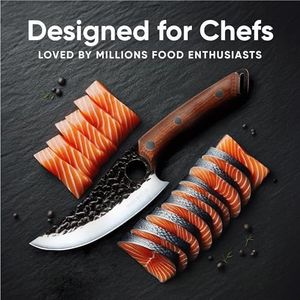
Matsato Chef Knife - Perfect Kitchen Knive for Cooking, Chopping. Japanese Steel Knife for Home, BBQ. For Balance & Control, 6.3 Inch
Miyabi Birchwood GS2 7-pc Knife Block Set
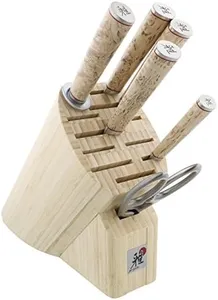
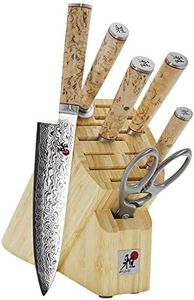



Miyabi Birchwood GS2 7-pc Knife Block Set
imarku Japanese Chef Knife - Sharp Kitchen Knife 8 Inch Chef's Knives HC Steel Paring Knife, Gifts for Men and Women, Christmas Gifts for Mom or Dad, Kitchen Gadgets with Gift Box, Gyutou Knives
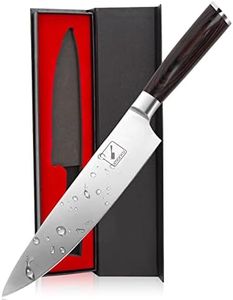


imarku Japanese Chef Knife - Sharp Kitchen Knife 8 Inch Chef's Knives HC Steel Paring Knife, Gifts for Men and Women, Christmas Gifts for Mom or Dad, Kitchen Gadgets with Gift Box, Gyutou Knives
Related Products
Up to 50% off
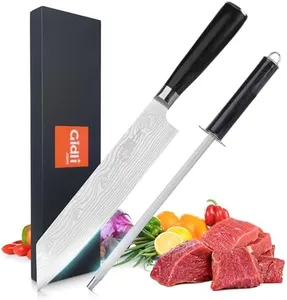
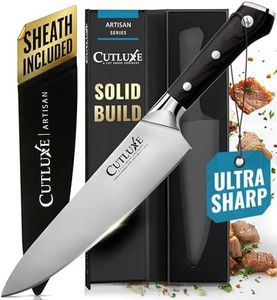
SHAN ZU 8 Inch Japanese Chef Knife, 9 Layers 10Cr15MoV High Carbon Steel Professional Kitchen Knife, Sharp Cooking Knife with Ergonomic Red Sandalwood Handle, Meat Cutting Sashimi Kiritsuke Knife
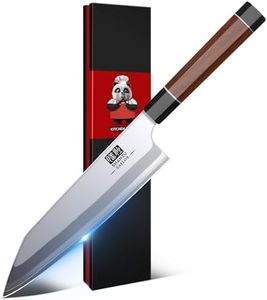
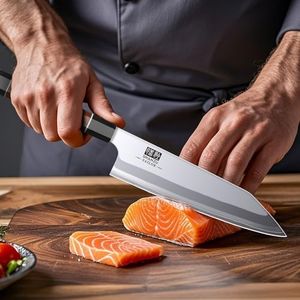
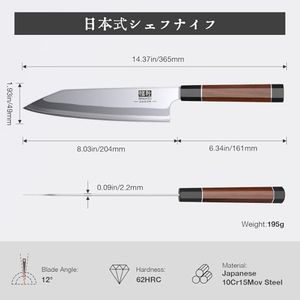
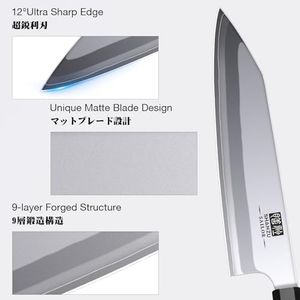
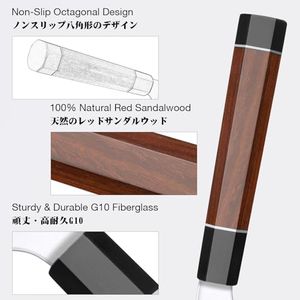
SHAN ZU 8 Inch Japanese Chef Knife, 9 Layers 10Cr15MoV High Carbon Steel Professional Kitchen Knife, Sharp Cooking Knife with Ergonomic Red Sandalwood Handle, Meat Cutting Sashimi Kiritsuke Knife
Global Osaka 6 Piece Knife Block Set
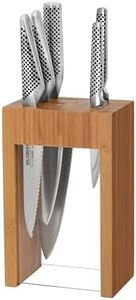




Global Osaka 6 Piece Knife Block Set
SHAN ZU Chef Knife 8 Inch Japanese Steel Damascus Kitchen Knife, Professional Kitchen Knives Sharp High Carbon Super Steel Kitchen Utility Knife
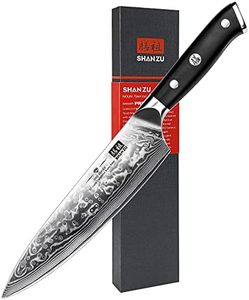


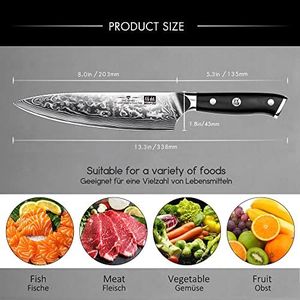
SHAN ZU Chef Knife 8 Inch Japanese Steel Damascus Kitchen Knife, Professional Kitchen Knives Sharp High Carbon Super Steel Kitchen Utility Knife
MASAMOTO SW Japanese Gyuto Chef's Knife with Sheath 8.2" (210mm) Made in JAPAN, Professional Kitchen Chef Knife, Ultra Sharp Swedish Stainless Steel Blade, Wood Wa Handle, Black Ferrule
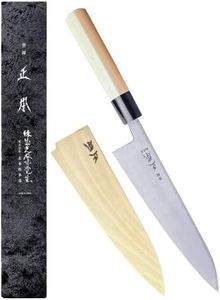

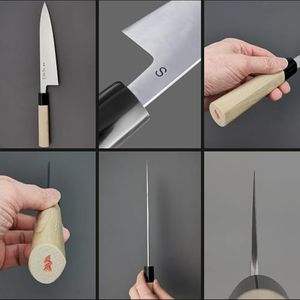

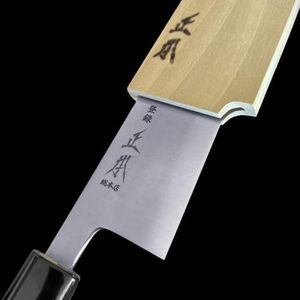
MASAMOTO SW Japanese Gyuto Chef's Knife with Sheath 8.2" (210mm) Made in JAPAN, Professional Kitchen Chef Knife, Ultra Sharp Swedish Stainless Steel Blade, Wood Wa Handle, Black Ferrule
Miyabi Birchwood SG2 Japanese Nakiri Knife, 6.5-inch, Vegatable Kitchen Knife, Karelian Birch Handle, 100-layer flower Damascus pattern, Handcrafted in Seki, Japan

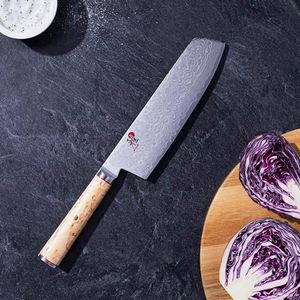
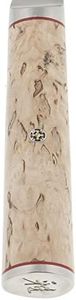
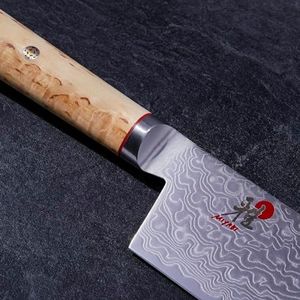
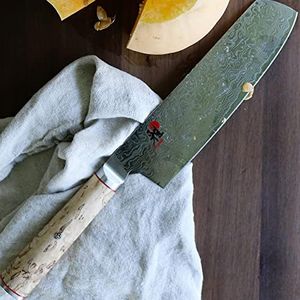
Miyabi Birchwood SG2 Japanese Nakiri Knife, 6.5-inch, Vegatable Kitchen Knife, Karelian Birch Handle, 100-layer flower Damascus pattern, Handcrafted in Seki, Japan
Recommended lists


Our technology thoroughly searches through the online shopping world, reviewing hundreds of sites. We then process and analyze this information, updating in real-time to bring you the latest top-rated products. This way, you always get the best and most current options available.
