We Use CookiesWe use cookies to enhance the security, performance, functionality and for analytical and promotional activities. By continuing to browse this site you are agreeing to our privacy policy

10 Best Parlor Guitars 2026 in the United States

#1

Winner

10.0 score

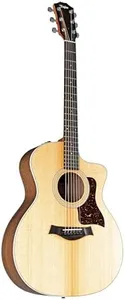
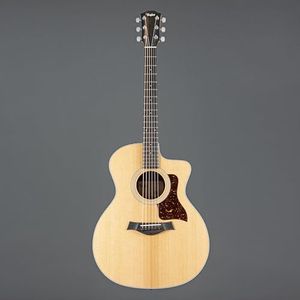
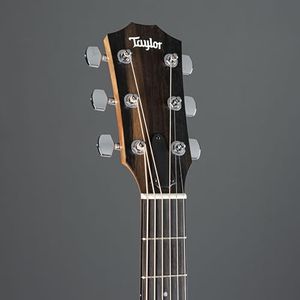
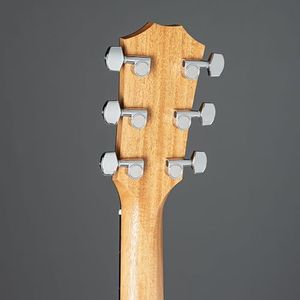
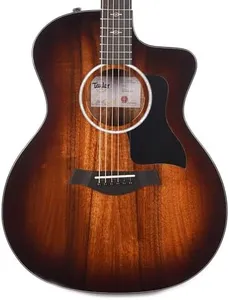
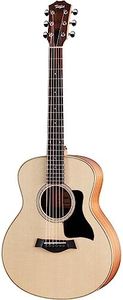
Taylor 214ce Guitar

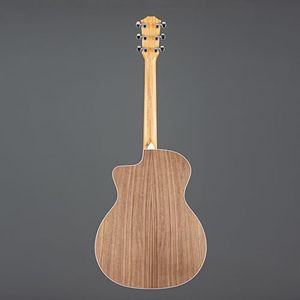
The Taylor 214ce Grand Auditorium Acoustic-electric Guitar is a solid choice for musicians seeking a parlor guitar that balances quality with playability. Its solid Trefied spruce top delivers bright, clear tones, making it great for both strumming and fingerstyle playing. The layered walnut back and sides add warmth and resonance, complementing the bright top. The mahogany neck is comfortable to play, and the ebony fingerboard offers a smooth feel, which is beneficial for beginners and experienced players alike. Its grand auditorium body shape provides a nice balance between comfort and sound projection, making it versatile for various playing styles.

#2
9.4 score

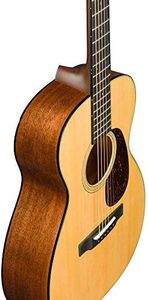
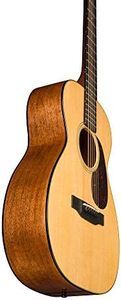
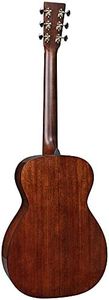
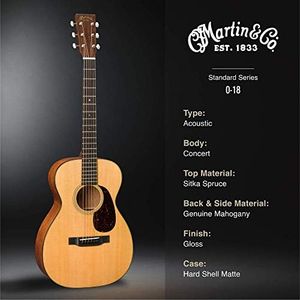
Martin Guitar Standard Series Acoustic Guitars, Hand-Built Martin Guitars with Authentic Wood 0-18 Natural
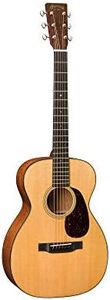
The Martin Standard Series 000-18 is a high-quality acoustic guitar that fits well into the parlor guitar category, especially for those who appreciate a classic, hand-built instrument. It features a smaller body size characteristic of parlor guitars, making it comfortable to hold and play, especially for fingerstyle or light strumming. The spruce top paired with mahogany back and sides offers a warm, balanced tone with good clarity, ideal for intimate playing settings.

Rating
9.4
Body Size and Shape
Tonewoods

Most important from
7 reviews

Body Size and Shape
Its smaller body size and traditional design make it comfortable to play, especially for fingerstyle and intimate settings.
Tonewoods
The authentic tonewoods and solid construction provide a reliable, beautifully resonant acoustic experience without the need for electronics.
#3
9.4 score

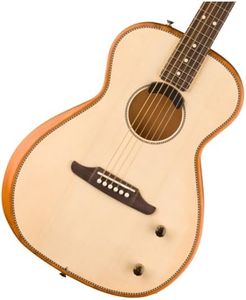
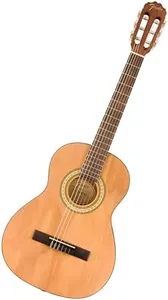
Fender CP-60S Parlor Acoustic Guitar, with 2-Year Warranty, Natural
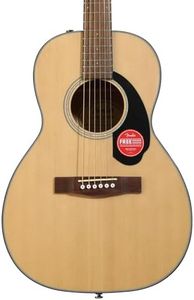
The Fender CP-60S Parlor Acoustic Guitar is designed to cater to both beginner and seasoned players, making it a solid choice in the parlor guitar category. Its solid spruce top provides a bright and dynamic sound, suitable for various playing styles, from strumming to fingerpicking. The mahogany back and sides contribute to a balanced tone with good volume, enhancing the acoustic experience.

Rating
9.4
Body Size and Shape

Most important from
1934 reviews

Body Size and Shape
The smaller size of the guitar is convenient for playing around the house and is especially suitable for young students.

Top 10 Best Parlor Guitars 2026 in the United States

#1

Winner

10.0  score

Taylor 214ce Guitar

Body Size and Shape: Grand Auditorium
Tonewoods: Top: Trefied Spruce, Back: Walnut
Neck Profile and Scale Length: Neck: Mahogany, Fingerboard: Ebony

Chosen by 1331 this week

Fender CP-60S Parlor Acoustic Guitar, with 2-Year Warranty, Natural

Body Size and Shape: Parlor
Tonewoods: Top: Spruce, Back: Mahogany
Neck Profile and Scale Length: Easy-to-play neck, Scale: 24.75 inches
Electronics: Combination pickup configuration

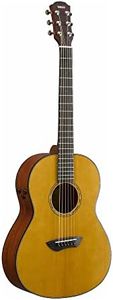
Yamaha CSF-TA Parlor Transacoustic Guitar with Chorus and Reverb - Gig Bag Included
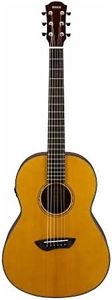
Body Size and Shape: Parlor
Tonewoods: Solid Sitka Spruce top, Mahogany sides
Neck Profile and Scale Length: Nato neck, 23.6-inch scale
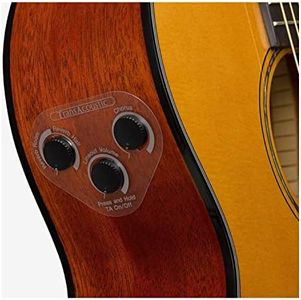
Electronics: System 70 Trans Acoustic, SRT pickup

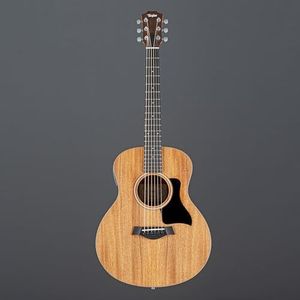
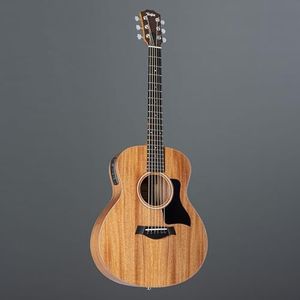
Taylor GS Mini-e Mahogany, Acoustic Guitar
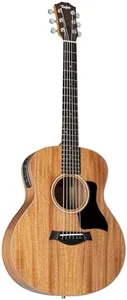
Body Size and Shape: Compact
Tonewoods: Top: Mahogany, Back: Sapele
Bracing Pattern: Well-designed
Electronics: Simple pickup, 9V battery

Yamaha CSF3M VN All-Solid Parlor Size Acoustic Guitar, Vintage Natural
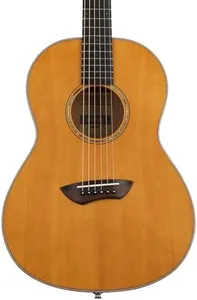
Body Size and Shape: Parlor Size
Tonewoods: Sitka spruce top, mahogany body, neck
Neck Profile and Scale Length: Yamaha neck profile, 600mm scale length
Nut Width: Typical Yamaha acoustic guitars
Electronics: Passive Zero Impact pickup

Yamaha CSF1M VN Parlor Size Acoustic Guitar with Hard Gig Bag, Vintage Natural
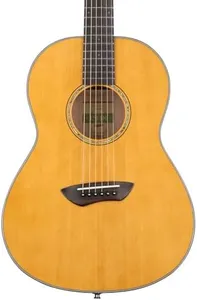
Body Size and Shape: Parlor Size
Tonewoods: Mahogany, Sitka spruce
Neck Profile and Scale Length: 600mm scale length
Electronics: Passive Zero Impact pickup

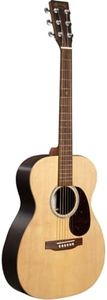
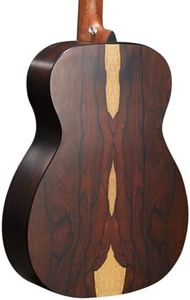
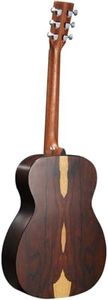
Martin 00-X2E Cocobolo Acoustic-electric Guitar - Natural
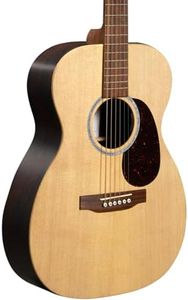
Body Size and Shape: compact
Tonewoods: Spruce top, Laminate back and sides
Neck Profile and Scale Length: select hardwood neck
Electronics: included
How do we rank products for you?

Our technology thoroughly searches through the online shopping world, reviewing hundreds of sites. We then process and analyze this information, updating in real-time to bring you the latest top-rated products. This way, you always get the best and most current options available.

headphones-stars

Buying Guide for the Best Parlor Guitars

Choosing the right parlor guitar can be a rewarding experience, as these instruments are known for their compact size and rich, intimate sound. When selecting a parlor guitar, it's important to consider several key specifications that will influence the guitar's playability, sound quality, and overall suitability for your needs. Understanding these specs will help you make an informed decision and find the perfect guitar for your playing style and preferences.
Body Size and ShapeThe body size and shape of a parlor guitar are crucial because they affect the guitar's comfort and sound. Parlor guitars are typically smaller than other acoustic guitars, making them easier to handle and play, especially for smaller individuals or those who prefer a more intimate playing experience. The compact size also contributes to a focused, mid-range tone that is ideal for fingerpicking and blues. When choosing a parlor guitar, consider how the size feels in your hands and against your body, and think about the type of music you want to play.
TonewoodsThe type of wood used for the top, back, and sides of a parlor guitar significantly impacts its sound. Common tonewoods include spruce, cedar, mahogany, and rosewood. Spruce is known for its bright, clear tone and is often used for the guitar's top. Cedar offers a warmer, more mellow sound, while mahogany provides a strong mid-range presence. Rosewood is prized for its rich, complex overtones. When selecting a parlor guitar, consider the tonal qualities of each wood and how they align with your musical preferences.
Neck Profile and Scale LengthThe neck profile and scale length of a parlor guitar affect its playability and comfort. The neck profile refers to the shape and thickness of the neck, which can vary from a slim, fast profile to a thicker, more substantial feel. The scale length is the distance between the nut and the saddle, influencing string tension and overall playability. Shorter scale lengths are easier to play and produce a warmer tone, while longer scale lengths offer more string tension and a brighter sound. Choose a neck profile and scale length that feel comfortable in your hands and suit your playing style.
Bracing PatternThe bracing pattern inside the guitar's body affects its structural integrity and sound projection. Common bracing patterns include X-bracing and ladder bracing. X-bracing provides a balanced tone with good projection and is often found in modern guitars. Ladder bracing, on the other hand, offers a more vintage, woody sound with a focus on mid-range frequencies. When selecting a parlor guitar, consider the type of sound you prefer and how the bracing pattern contributes to that sound.
Nut WidthThe nut width of a parlor guitar refers to the width of the neck at the nut, which affects string spacing and playability. A wider nut width provides more space between strings, which can be beneficial for fingerstyle playing and players with larger hands. A narrower nut width offers closer string spacing, which can be more comfortable for players with smaller hands or those who prefer strumming. Consider your hand size and playing style when choosing a nut width that feels comfortable and suits your needs.
ElectronicsSome parlor guitars come equipped with built-in electronics, allowing you to amplify your sound for live performances or recording. These electronics typically include a pickup and preamp system, which can vary in quality and features. If you plan to perform or record with your parlor guitar, consider a model with reliable electronics that offer good sound quality and easy control. If you primarily play acoustically, you may not need built-in electronics, and can focus on other aspects of the guitar.

FAQ