We Use CookiesWe use cookies to enhance the security, performance, functionality and for analytical and promotional activities. By continuing to browse this site you are agreeing to our privacy policy

10 Best Flutes 2025 in the United States

#1

Winner

10.0 score

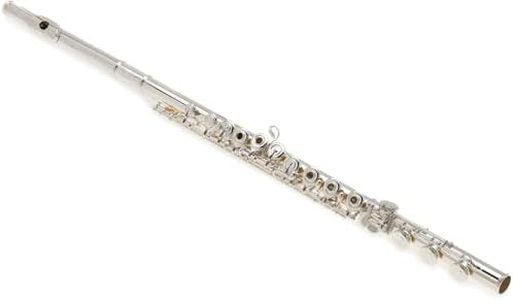
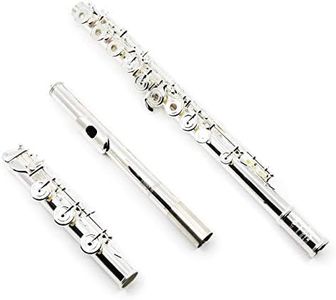
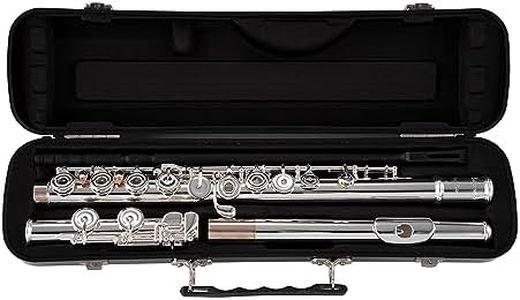
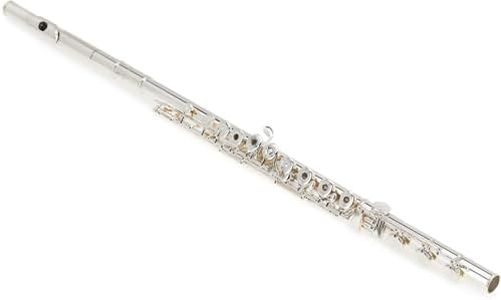
Yamaha YFL-222 Intermediate Flute for Student (International Version)

The Yamaha YFL-222 Intermediate Flute is a solid choice for students and beginner musicians looking to advance their skills. Made from nickel silver, it offers a sturdy and reliable build, which is essential for durability as you practice. The silver-plated keys provide a smooth playing experience, enhancing comfort while you learn. One notable feature is the Offset G key system, which can be more ergonomic for some players, making it easier to reach certain keys compared to an inline G setup. This is particularly helpful for younger or smaller players.

#2
9.7 score

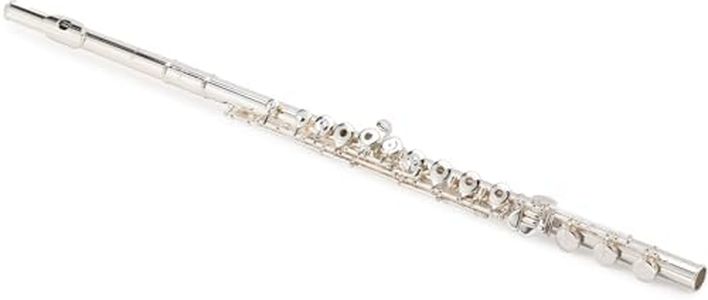
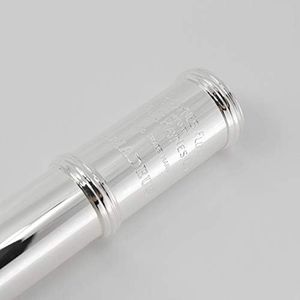
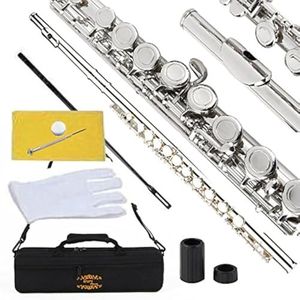
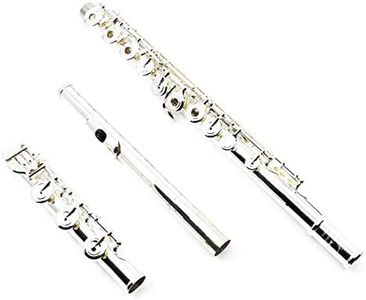
Pearl Flute Belsona 202 Series C-Flute, Open Hole w/ABS Case

The Pearl Flute Belsona 202 Series is a C-flute designed with student and intermediate players in mind. It features a silver-plated metal body, headjoint, and footjoint, which gives it a bright, durable finish that can handle regular use. The headjoint is made to be easy to blow and produces a full sound, helping beginners develop their tone. It has an offset G key, which is often easier to play for those with smaller hands, making finger placement more comfortable during practice or performance.

Rating
9.7
Material
Key Mechanism
Offset G vs. Inline G

Most important from
2 reviews

Material
The flute's silver-plated body and headjoint produce a bright, full sound that helps develop tone effectively.
Key Mechanism
Open hole keys encourage advanced techniques and richer sound development, ideal for progressing players.
Offset G vs. Inline G
The offset G key design makes finger placement comfortable, especially for players with smaller hands.
#3
9.1 score

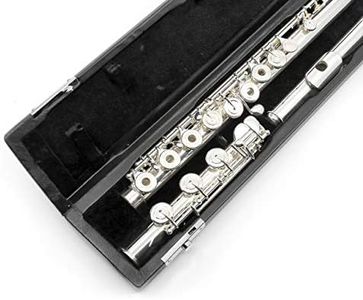
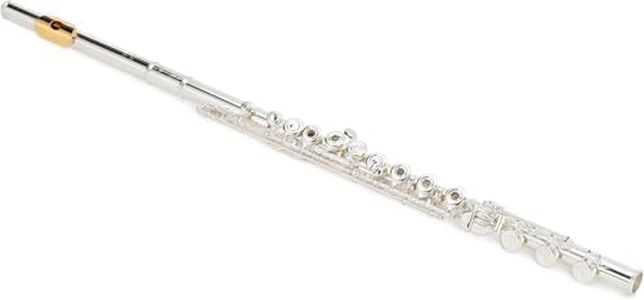
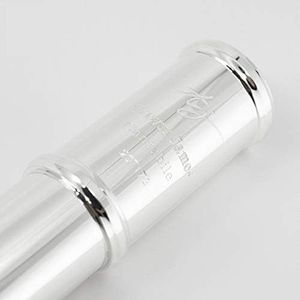
Yamaha YFL-382H Intermediate Flute with Inline G and Gold-plated Lip Plate
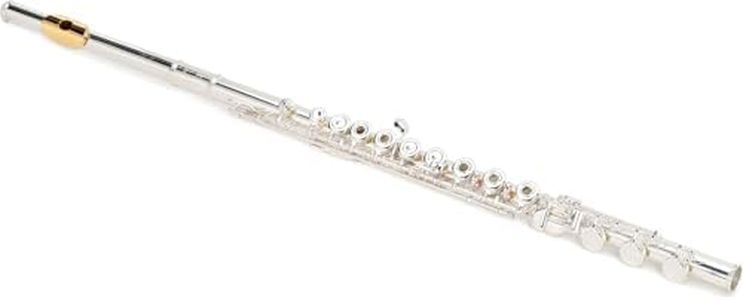
The Yamaha YFL-382H Intermediate Flute is designed for advancing players looking for a quality instrument with some professional features. One of its standout features is the combination of a nickel silver body and a sterling silver headjoint. This blend offers durability while enhancing sound quality, making it a good choice for intermediate musicians aiming for a richer tone. The gold-plated lip plate adds a touch of luxury and can provide a warmer, more comfortable playing experience.

Top 10 Best Flutes 2025 in the United States

#1

Winner

10.0  score

Yamaha YFL-222 Intermediate Flute for Student (International Version)
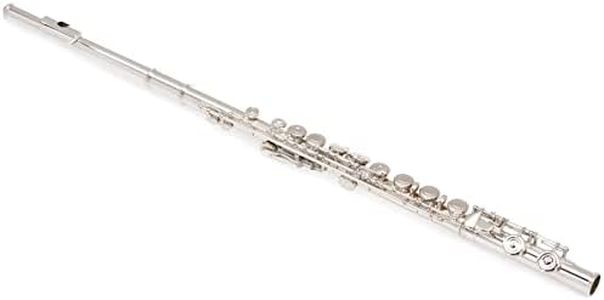
Material: Nickel, Silver
Key Mechanism: Silver-plated keys
Offset G vs. Inline G: Offset G

Chosen by 1419 this week

Pearl Flute Belsona 202 Series C-Flute, Open Hole w/ABS Case

Material: silver-plated metal
Key Mechanism: silky key cups
Offset G vs. Inline G: offset G
Footjoint: C-foot

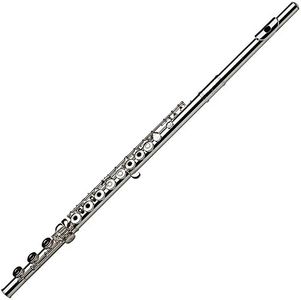
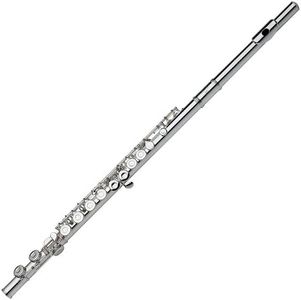
Yamaha YFL-462H Intermediate Flute

Material: Silver
Key Mechanism: silver-plated keys
Offset G vs. Inline G: Offset G
Footjoint: included

Yamaha YFL-362H Intermediate Flute

Material: Nickel, Silver
Headjoint Cut: Sterling silver headjoint, lip plate
Key Mechanism: Silver-plated keys
Offset G vs. Inline G: Offset G
Footjoint: Nickel silver footjoint

Pearl 765RBE1RB Quantz Series Flute

Material: Metal
Key Mechanism: split E mechanism
Footjoint: B-footjoint

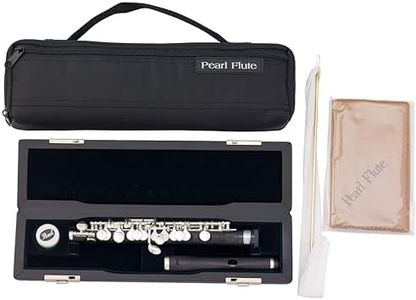
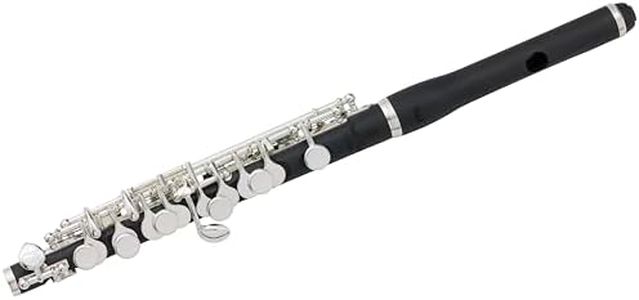
Pearl PFP105E Piccolo Flute

Material: Grenaditte
Headjoint Cut: Grenaditte High Wave
Key Mechanism: Pinless key mechanism

Pearl 525RBE1RB Quantz Series Flute

Material: Silver
Key Mechanism: split E mechanism
Offset G vs. Inline G: offset or inline G
Footjoint: B-footjoint with silver lip plate
How do we rank products for you?

Our technology thoroughly searches through the online shopping world, reviewing hundreds of sites. We then process and analyze this information, updating in real-time to bring you the latest top-rated products. This way, you always get the best and most current options available.

headphones-stars

Buying Guide for the Best Flutes

Choosing the right flute can be a rewarding experience, whether you're a beginner or an experienced player. The key to finding the best flute for you lies in understanding the different specifications and how they impact the instrument's playability and sound. By considering your skill level, musical goals, and personal preferences, you can make an informed decision that will enhance your playing experience.
MaterialFlutes are typically made from materials like nickel, silver, gold, or even platinum. The material affects the flute's tone and durability. Nickel flutes are durable and affordable, making them ideal for beginners. Silver flutes offer a richer tone and are popular among intermediate players. Gold and platinum flutes provide a warm, resonant sound and are often chosen by professional musicians. Consider your playing level and the sound you desire when selecting the material.
Headjoint CutThe headjoint cut refers to the shape and design of the flute's mouthpiece. It significantly influences the ease of play and the quality of sound produced. Standard cuts are suitable for beginners as they provide a balanced sound and are easier to play. More advanced players might prefer a custom or professional cut, which can offer greater control and a more nuanced tone. Choose a headjoint cut that matches your skill level and playing style.
Key MechanismThe key mechanism of a flute includes the design and placement of the keys, which affect the instrument's playability and comfort. Closed-hole (plateau) keys are easier for beginners to play, as they do not require precise finger placement. Open-hole (French) keys are preferred by advanced players for their ability to produce a more refined sound and allow for advanced techniques. Consider your experience and the type of music you wish to play when deciding on the key mechanism.
Offset G vs. Inline GThe G key on a flute can be positioned either inline with the other keys or offset to the side. An offset G key is more ergonomic and comfortable for most players, especially those with smaller hands, making it a popular choice for beginners and intermediate players. An inline G key is often preferred by advanced players who are accustomed to the traditional key alignment. Choose the G key alignment that feels most comfortable for your hand size and playing style.
FootjointThe footjoint of a flute can be either a C footjoint or a B footjoint. A C footjoint is shorter and lighter, making it easier to handle and ideal for beginners. It allows the flute to play down to a low C note. A B footjoint extends the range to a low B note and is slightly heavier, which can add depth to the sound. Advanced players often prefer the B footjoint for its extended range and tonal possibilities. Consider your playing level and the repertoire you intend to play when choosing the footjoint.

FAQ